Beyond Cities and Deserts: The UAE Is Expanding Its Outdoor and Ecotourism Experiences
Background
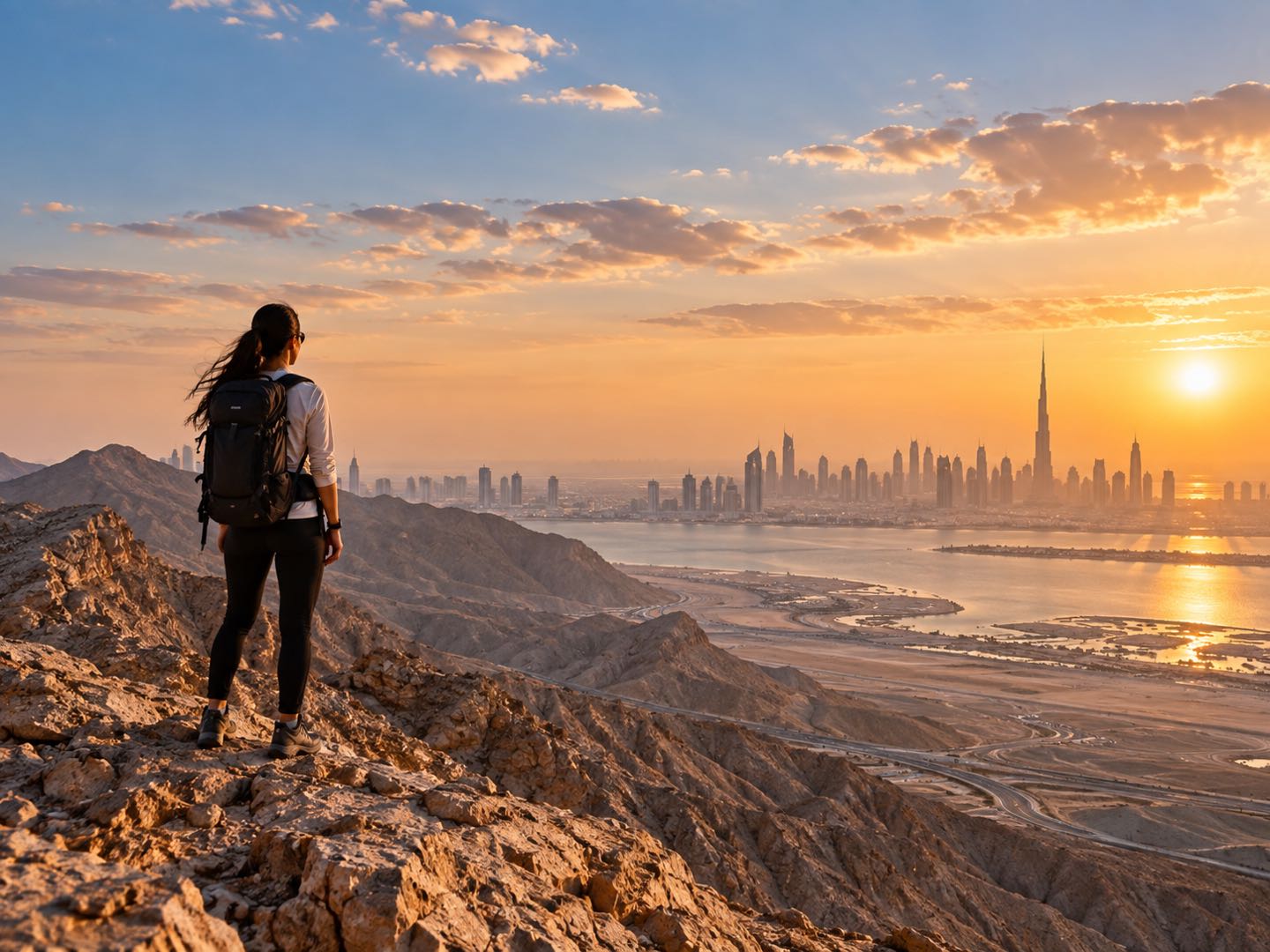
When people think of the UAE, the first images that often come to mind are Dubai’s skyline, business districts, real estate developments and desert landscapes.
But in recent years, another side of the UAE has become increasingly visible, as different emirates continue to develop outdoor, nature-based and ecotourism experiences.
PART 01
Jebel Jais to Further Expand Its Mountain Hiking Experience
According to Gulf News on 14 September 2026, Jebel Jais in Ras Al Khaimah — the UAE’s highest peak — is set for a further expansion of its hiking and mountain adventure network.
The development is expected to include an approximately 80-kilometre Grand Hiking Loop, together with a multi-section Via Ferrata experience that could extend into a five-day journey.
Existing trails are also expected to be connected and rehabilitated, alongside improvements to wayfinding and environmental monitoring.
Viewed within the broader development of tourism in the UAE, the expansion of Jebel Jais is not simply about adding new outdoor attractions. It also reflects a gradual diversification of tourism experiences beyond traditional city landmarks, shopping and desert activities, towards mountains, hiking, cycling and nature-based exploration.
From Outdoor Projects to a Broader UAE Ecotourism Strategy
The development of Jebel Jais is not an isolated initiative.
In September 2026, the UAE Cabinet approved the National Ecotourism Policy.
According to information published by the UAE Government Media Office, the policy aims to balance economic development with the protection of ecosystems and natural resources, while further strengthening the UAE’s position as a global ecotourism destination.
The policy focuses on:
- protecting environmental and natural areas;
- developing more sustainable tourism products and experiences;
- encouraging community participation; and
- strengthening cooperation between government entities, the private sector and civil society.
Official information also indicates that the UAE now has 55 protected areas, alongside continued efforts in land rehabilitation, tree planting and the protection of natural resources.
From this perspective, the development of Jebel Jais, protected areas and other outdoor projects across the emirates can be seen as more than individual tourism upgrades.
Together, they point towards a broader effort to integrate natural environments, outdoor experiences, sustainable tourism and public recreation into the country’s longer-term development.
PART 02
Not Only Ras Al Khaimah: Dubai Is Also Expanding Outdoor Spaces
Similar developments are also taking place across Dubai.
In August this year, Dubai Municipality opened a new 102-metre bridge at Mushrif National Park, connecting previously separated mountain biking trails while providing dedicated routes for cyclists and hikers.
According to Dubai Municipality, the project forms part of the continued development of Mushrif National Park as a destination for outdoor recreation, adventure and active lifestyles.
Individually, these projects may vary significantly in scale, but together they point towards a broader direction:
Tourism and urban development in the UAE are increasingly incorporating natural spaces, outdoor activities and public experiences connected to active and healthy lifestyles.
Their significance therefore extends beyond the creation of new attractions and also relates to:
- public-space development;
- environmental and natural resource protection;
- residents’ lifestyles; and
- the continued diversification of tourism experiences across different parts of the country.
The UAE Is More Than a Business Destination
For many people arriving in the UAE for the first time, their initial impression is often shaped by business, real estate, modern cities and desert landscapes.
But after spending more time living and working here, another side of the country gradually emerges — from the mountains of Ras Al Khaimah and the valleys and dams of Hatta, to Dubai’s growing network of hiking, cycling and nature-based recreation spaces.
As national ecotourism policies and emirate-level projects continue to develop, these outdoor and nature-based experiences are becoming more than simply weekend destinations.
They also offer another perspective on how the UAE’s cities, communities and lifestyles are evolving.
For those living, working or doing business in the UAE over the long term, understanding the country can therefore go beyond its commercial and investment environment to include the way its lifestyle, recreation, natural spaces and public experiences continue to develop.