
UAE Non-Oil Foreign Trade Continues to Grow: Strengthening Economic Diversification and Regional Connectivity
During this period, the UAE’s non-oil foreign trade reached approximately AED 1.937 trillion, representing a 13.1% year-on-year increase and approaching the AED 2 trillion milestone within a six-month period.
At the same time, UAE non-oil exports reached a record high of AED 452.8 billion, growing by 23.9% year-on-year.
The continued growth of non-oil exports reflects the UAE’s ongoing economic transformation towards a more diversified economy driven by production, exports and value-added industries.
1. UAE’s Transformation from Trade Centre to Regional Business Platform
In recent years, the UAE has continued to strengthen its role as a regional trade and business hub through:
- Trade facilitation measures;
- Infrastructure development;
- Free zone ecosystems;
- International economic partnerships.
With its strategic location connecting Asia, Europe and Africa, together with international business centres such as Dubai and Abu Dhabi, the UAE has become an increasingly important location for companies seeking:
- Regional trade expansion;
- Supply chain optimisation;
- International market access.
The UAE’s role is no longer limited to being a trading location.
It is increasingly becoming a platform for companies to establish regional operations and connect with surrounding markets.
2. China Remains One of the UAE’s Most Important Economic Partners
China has remained one of the UAE’s most important non-oil trading partners.
According to the latest figures, bilateral non-oil trade between China and the UAE reached approximately AED 180.7 billion in the first half of 2026.
The continued growth reflects the deepening economic relationship between China and the UAE.
It also highlights the UAE’s role as an important platform for Chinese companies exploring:
- Middle East markets;
- African markets;
- International supply chains.
For Chinese enterprises expanding internationally, the UAE provides opportunities beyond a single market.
It can serve as a regional operating base connecting:
- The Middle East;
- Africa;
- South Asia;
- Global markets.
3. Key Market Entry Approaches for Chinese Companies
For Chinese companies seeking international expansion, the UAE can serve as both:
- A regional market;
- A strategic operational platform.
Companies may consider different approaches based on:
- Industry characteristics;
- Business models;
- Long-term objectives.
1. Trading Companies
Potential considerations:
- Establish UAE trading entities for regional sales, procurement and re-export activities;
- Utilise UAE logistics networks to connect with Middle Eastern, African and international markets.
The UAE’s trade infrastructure can support companies seeking regional distribution and cross-border commercial activities.
2. Manufacturing and Industrial Companies
Companies may consider:
- Establishing manufacturing facilities;
- Building regional supply chain centres;
- Creating operational platforms in the UAE.
Businesses may leverage:
- Local industrial policies;
- Infrastructure advantages;
- Regional market access;
to support long-term international expansion.
3. Technology and Innovation Companies
Technology companies may consider:
- Establishing regional operation centres;
- Developing technology service platforms;
- Exploring Middle East market opportunities.
Companies may align with UAE development priorities in areas such as:
- Digital economy;
- Artificial intelligence;
- Advanced technologies.
4. Investment and Group Companies
Investment-oriented businesses may consider:
- Regional headquarters structures;
- Investment holding arrangements;
- Long-term expansion frameworks.
Before entering the UAE market, companies should conduct comprehensive assessments considering:
- Industry characteristics;
- Target customers;
- Product requirements;
- Business models;
- Licensing requirements;
- Compliance obligations.
4. UAE as a Platform Connecting Global Business Opportunities
As the UAE’s non-oil foreign trade continues expanding, the country is further strengthening its role as a regional business connector.
For companies seeking opportunities in:
- The Middle East;
- Africa;
- International markets;
the UAE is becoming an increasingly important option for:
- Regional supply chain planning;
- Market expansion strategies;
- International business development.
Companies should develop market-entry strategies based on:
- Industry characteristics;
- Business objectives;
- Long-term development plans.
Investment decisions should be supported by appropriate business and regulatory assessments.
5. How CA Supports Companies Entering the UAE Market
For companies planning to:
- Enter the UAE market;
- Establish regional operations;
- Explore Middle East opportunities;
Corridors Advisory (CA) provides tailored support based on:
- Industry background;
- Business model;
- Operational objectives.
CA Services Include:
Market Entry Advisory
- UAE market assessment;
- Business feasibility analysis;
- Regional expansion planning.
Company Formation and Structuring
- UAE company incorporation;
- Mainland and Free Zone structure advisory;
- Corporate structuring solutions.
Licensing and Compliance Support
- Business licence advisory;
- Regulatory requirement assessment;
- Compliance planning.
Ongoing Operational Support
- Banking coordination;
- Visa arrangements;
- Corporate services after establishment.
CA Observation
The continued expansion of UAE non-oil foreign trade demonstrates the country’s growing importance as a regional trade and business platform.
For companies exploring opportunities in the Middle East, Africa and international markets, the UAE offers advantages in:
- Geographic connectivity;
- Trade infrastructure;
- Business ecosystem;
- Regional market access.
However, companies should evaluate market-entry strategies based on their own:
- Industry characteristics;
- Business models;
- Target markets;
- Long-term objectives.
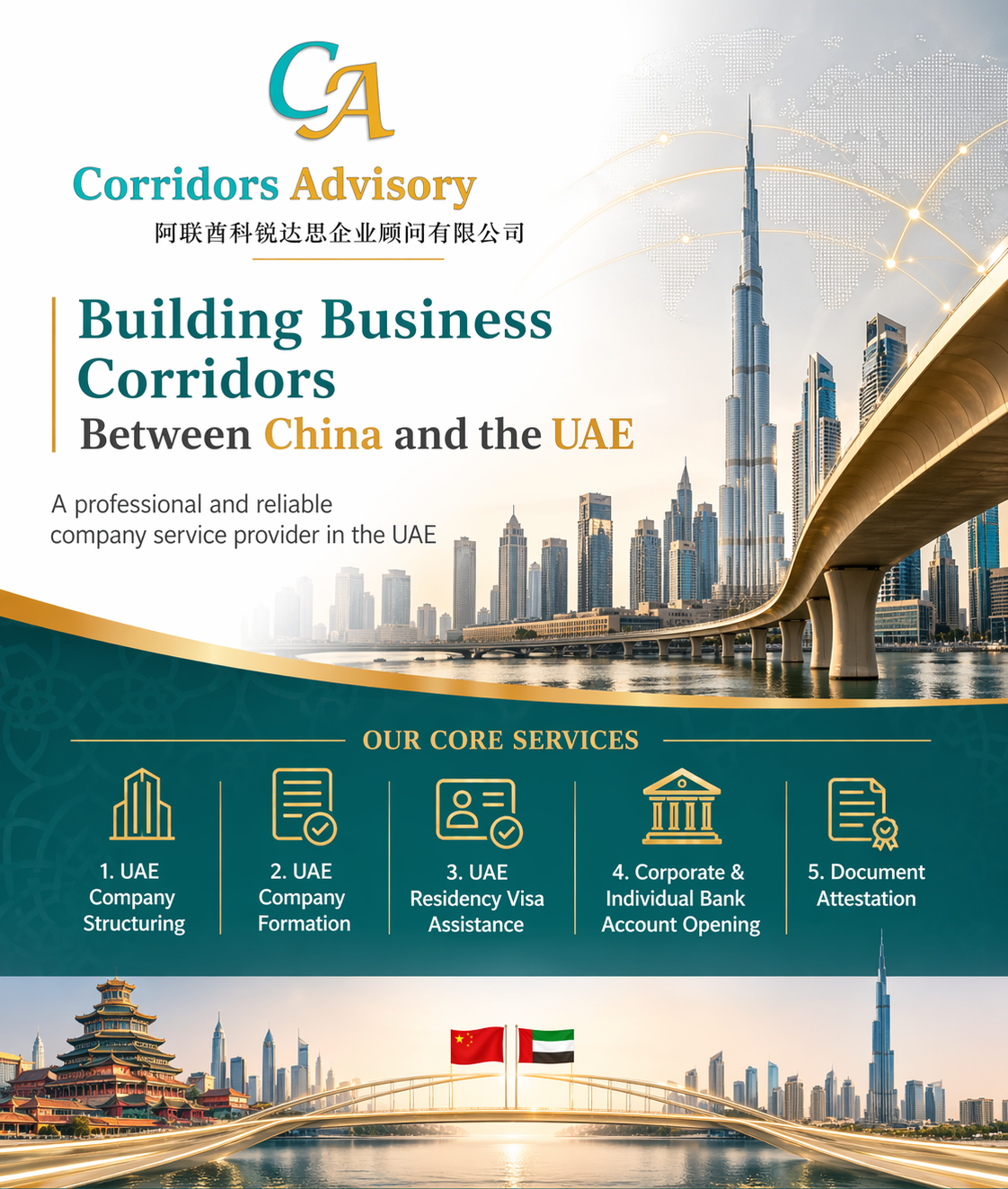
Corridors Advisory (CA) supports businesses in developing practical UAE market-entry and operational strategies aligned with regulatory requirements and commercial goals.