
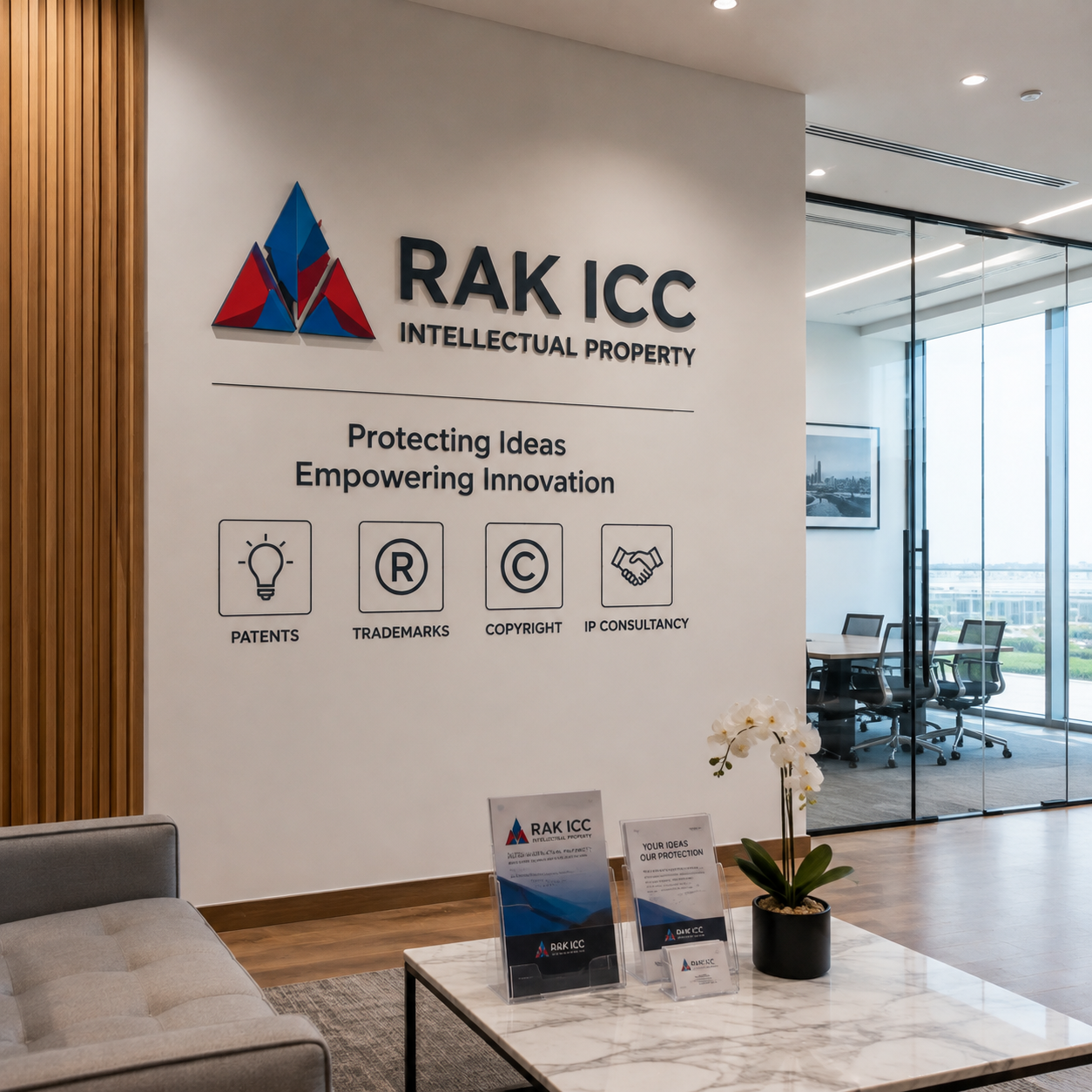
RAK ICC Intellectual Property Holding Structure: Strategic Management of IP Assets and Global Expansion
Overview
For many businesses, intellectual property (“IP”) represents more than trademarks, technologies and innovations.
IP is a strategic intangible asset that can contribute significantly to long-term corporate value.
However, during global expansion, corporate restructuring and long-term asset management planning, the ownership, administration and commercialisation of IP assets are often overlooked.
A properly designed IP holding structure can help businesses establish a more organised approach to:
- IP ownership;
- IP management;
- Commercialisation arrangements;
- Cross-border asset planning.
What Is RAK ICC Intellectual Property Holding Structure?
RAK ICC (Ras Al Khaimah International Corporate Centre) Intellectual Property Holding Structure provides businesses with a dedicated corporate vehicle for holding, managing and structuring intellectual property-related assets.
The structure can support businesses in centralising the management of:
- Trademarks;
- Patents;
- Copyrights;
- Industrial designs;
- Other intangible assets.
It provides a structured framework for businesses seeking to improve IP ownership management and long-term asset planning.
Potential Value of IP Holding Structure
1. Centralised IP Ownership and Management
By establishing a dedicated IP holding entity, businesses can consolidate and organise intellectual property assets held across different entities.
Potential benefits include:
- Clearer IP ownership arrangements;
- Improved management efficiency;
- Better coordination between business entities;
- More structured IP administration.
A centralised IP structure can help businesses manage intellectual property assets more effectively as they expand across different markets.
2. Structured Separation Between IP Assets and Operating Businesses
Separating intellectual property assets from operating companies may help businesses improve corporate structuring arrangements.
For example:
IP Holding Entity
May:
- Hold trademarks;
- Own technology-related assets;
- Manage licensing arrangements;
- Protect strategic intangible assets.
Operating Companies
May:
- Conduct commercial activities;
- Manage customers;
- Operate local businesses.
This separation may help businesses reduce direct exposure of valuable IP assets to operational risks.
3. Supporting IP Commercialisation and Licensing Arrangements
An IP holding structure can support businesses in developing different commercial models.
Potential arrangements may include:
- Brand licensing;
- Technology licensing;
- Intellectual property cooperation;
- Strategic partnerships.
A structured IP ownership arrangement can provide a clearer foundation for commercialising intellectual property value.
4. Supporting Cross-Border Structuring and Global Expansion
For businesses operating across multiple jurisdictions or pursuing international expansion, an IP holding structure may form part of a broader corporate asset management framework.
It may support:
- Cross-border IP ownership planning;
- International group structuring;
- Global brand management;
- Long-term asset organisation.
Businesses with international operations may benefit from reviewing how IP assets are held and managed across different jurisdictions.
5. Supporting Long-Term Business Development and Structuring
As a valuable intangible asset, intellectual property can play an important role in:
- Corporate restructuring;
- Succession planning;
- Brand development;
- Long-term strategic planning.
A structured IP arrangement may provide businesses with greater flexibility when managing future growth opportunities.
Suitable Business Profiles
The RAK ICC Intellectual Property Holding Structure may be considered by various types of businesses, including but not limited to:
Technology and Innovation Companies
Suitable for businesses holding:
- Software;
- Technology platforms;
- Research and development assets;
- Digital solutions.
Software and Digital Businesses
Suitable for businesses managing:
- Software ownership;
- Digital products;
- Technology licensing arrangements.
Brand Owners and Franchise Operators
Suitable for businesses holding:
- Trademarks;
- Brand assets;
- Franchise-related intellectual property.
Manufacturing and Industrial Enterprises
Suitable for businesses managing:
- Industrial designs;
- Technical know-how;
- Product-related intellectual property.
R&D-Driven Companies
Suitable for businesses focused on:
- Innovation;
- Research activities;
- Technology development.
Multinational and Internationally Expanding Groups
Suitable for businesses seeking:
- International IP management;
- Cross-border ownership structures;
- Regional expansion planning.
How CA Supports RAK ICC IP Holding Structure
Corridors Advisory (CA) provides support in relation to IP holding structures, including:
Preliminary Assessment and Structuring Advice
CA assists businesses with:
- Initial IP holding structure assessment;
- Business requirement analysis;
- Structuring considerations.
RAK ICC IP Holding Structure Coordination
CA supports:
- RAK ICC structure planning;
- Establishment process coordination;
- Documentation preparation;
- Implementation support.
Professional Advisor Coordination
Where required, CA coordinates with relevant:
- Legal advisors;
- Tax advisors;
- Compliance professionals;
- Corporate service providers.
This helps businesses establish a structured implementation process.
Important Considerations
An IP holding structure is not automatically suitable for every business.
Its suitability depends on factors including:
- Industry;
- Type of IP assets;
- Business model;
- Group structure;
- Applicable legal and tax environment.
Businesses should evaluate whether an IP holding structure aligns with their:
- Long-term objectives;
- Commercial strategy;
- Asset management requirements.
A properly designed structure should serve business objectives rather than simply create additional complexity.
CA Observation
Intellectual property is increasingly becoming an important strategic asset for businesses operating internationally.
A well-designed IP holding structure may help businesses achieve:
- More organised IP management;
- Improved asset planning;
- Better commercialisation opportunities;
- Stronger long-term strategic positioning.
Corridors Advisory (CA) can assist businesses in evaluating suitable IP holding structures and coordinating implementation with relevant professional service providers.